
Postcard from the UK
With every dram of Scotch in the UK comes that ugly metallic taste of tax. Duty and VAT now account for almost three quarters of the price of an average bottle, while Treasury receipts have fallen. Despite this, Ron Emler finds one or two reasons to be cheerful …
That the global market for spirits has been suffering is not in doubt. Distillers have been cutting production and either mothballing or closing facilities in response. This is underlined by Diageo's ongoing global jobs purge.
Inevitably the consumer response to global uncertainties and the ravages of inflation has been felt by Scotch whisky in its domestic market. After the post-Covid binge has come a slump in demand.
While the Scotch Whisky Association (SWA) has precise numbers of the bottles going to every overseas market, only the individual distillers know exactly what is happening on their home territory, Great Britain.
Sales figures are closely guarded commercial secrets but using the industry's rough rule of thumb that 10% of Scotch revenues come from UK consumers and extrapolating the SWA's export figures (which show values falling form £6.2 billion in 2022 to £5.3 billion last year) suggests that the UK market has fallen in value by almost £100 million a year since the post Covid peak.
For the SWA, much of the blame lies with 11 Downing Street. "When the UK's alcohol duty system was reviewed in 2020, the then-government pledged that it would ensure the tax system is supporting Scottish whisky," says Graeme Littlejohn, its comms & strategy director. "Unfortunately, the opposite has happened."
He points to a cumulative 17% tax hike in the past three years, when distillers were "under intense pressure from rising costs." Meanwhile the Treasury's much needed revenue from spirits fell by £94m in 2025/26. And with cider taxed at 8.6p per unit of alcohol compared to 34p for spirits, the system is patently unfair.
Add in VAT, and 72% of the average bottle of Scotch is tax in the UK which tops the charts for duty on spirits within the G7 economies, and puts it fourth in Europe.
Yet another parliamentary review of UK alcohol taxes is underway but there are few hopes of any easement of the burden on distillers when the new Chancellor, John Healey, opens his Budget box on October 28.
"It has undoubtedly been a challenging period for Scotch in the UK since Covid," says Neil Shah, Johnnie Walker brand director at Diageo, "but there are good reasons to be optimistic about the longer-term outlook. The most important point is that the underlying appeal of whisky remains strong."
Consumer penetration is the highest among spirits at 35% of spirits drinkers globally – and in equal place with vodka in the UK, claims Shah who says whisky's "consumer base is also becoming increasingly diverse: penetration is now equal among LPA (legal purchasing age)-34 and 35+ consumers, while women are entering the category faster than men over the past three years."
"So, while the market has been under pressure, the evidence suggests this is more about the current consumer environment, which impacts frequency of drinking and occasions, rather than a fundamental loss of interest in whisky."
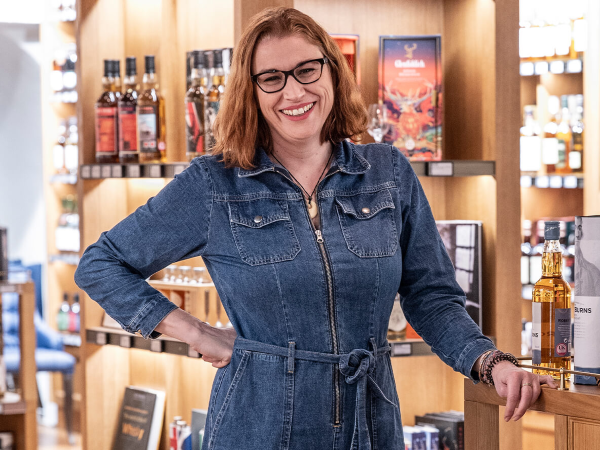
Dawn Davies MW, who has just stepped down as buying director of the Whisky Exchange, is also sensing upward movement. "The market is a bit depressed but there are one or two little shoots", she says. "The average order value is coming up a bit. We're seeing that at the £85 to £100 or so level, but we are not seeing anything at the top end of the price range."
"But there are pockets of roses. Some things are starting to feel a little more stable, and the on-trade is looking quite good. That is definitely moving in the right direction."
At Majestic Wine, where spirits are growing in importance, spirits buyer Tom Brady says: "Scotch remains a fantastic performer for us, and we are seeing strong, consistent growth across the wider whisky and whiskey categories as well."
"As the market matures, consumers are developing a deeper understanding of the products they enjoy and there's a growing realisation that quality exists across all price points. I wouldn't call that trading down. I'd call it greater consumer education."
"While we are seeing some discounting, it's mostly isolated to the £500-plus end of the market. The secondary market has slowed for extreme high-end products, which has naturally caused producers to rethink their strategies."

Dawn Davies agrees. "There is definitely more aggressive pricing out there. We can't compete on price [with the supermarkets]. There's no money in it. And there is more grey market stock than there has been in a long time", she says. Apparently discounted Scotch on Amazon has swelled to over 1,000 offerings.
"People are still happy to buy independent", she continues, "but they want to make sure that they are spending money on something they really want. They're not just spending to flip it but to drink it now. That's a healthy consumer mindset because they are buying to consume."
Both are forthright about limited editions. "Consumers are much savvier today when it comes to special releases," says Brady. "Demand remains high when there's a genuine, compelling story behind an expression, a true point of difference, or, depending on the brand, authentic exclusivity. Customers connect far more with people and places than they do with corporate branding. It's about telling the authentic stories behind the liquid."
Dawn Davies is blunter. "They [the brand owners] got themselves into this mess because they tried to replace things. Now they are scrambling backwards to make themselves relevant again. They've got to go out and sell the brands and the stories, which is good because people aren't drinking less but they are making life choices about their spending. The consumer has got to a sort of plateau after trading down. We are the ones that have to start trading the consumer up again."
That resonates with Neil Shah. "The opportunity is to make whisky more accessible and more exciting to explore, through new ways to drink whisky, versatile formats, new occasions, and more contemporary, inclusive ways of presenting the category," he says. "There is significant headroom to bring new consumers into the category, and to encourage existing consumers to explore beyond their usual brands and styles."
What about brand loyalty?
"That really depends on the consumer segment, "says Tom Brady. "Casual drinkers or those buying whisky as a gift still tend to stick to the brands they know and love. While this segment makes up the bulk of the market by volume, the individual rate of sale is quite low.
"On the flip side, you have a smaller, highly engaged segment that shops for whisky much more frequently. These consumers are driven by exploration – they want to try new things and are more willing to be a bit more adventurous in their buying decisions."
Ron Emler is a financial journalist who has observed the drinks industry for 50 years. Following a career on The Times and the Sunday Telegraph, he is consultant City Editor at The Drinks Business.