
The Indies
As in music, some of the most interesting whisky appears under independent labels. Indy bottlers help amplify the diversity of single malts, and strive to hit that sweet spot of value, sometimes better than the big distillers, discovers Ian Fraser …
It was in late 2023, that Andrew Symington noticed that sales of certain products in the Signatory Vintage range were in freefall. "£80 to £100 bottles of whisky were no longer selling," says Symington, 62, who co-founded Signatory in 1988.
His response was pragmatic – the company launched a new range of whiskies at the more attractive price range of £40 - £45 a bottle, including a 15-year-old Craigellachie single malt. Symington says: "That was stock that I had bought ten years ago, so I had paid buttons for it. We can afford to sell at a reasonable price because of the depth of stock that we have."
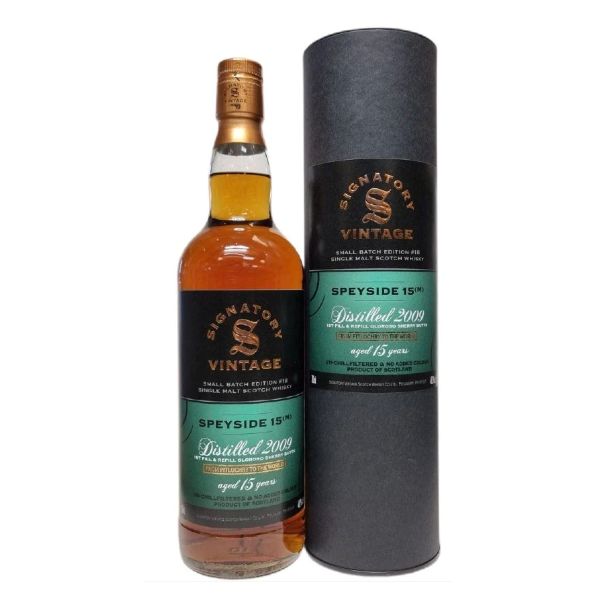
Symington said his company, based at the Edradour Distillery near Pitlochry, is currently sitting on 38,000 casks and is currently buying 4,000 more. This puts the company in an enviable position in what has become a tougher climate for independent bottlers. There have been mutterings from some of them that he has been selling below cost to put them out of business – an accusation he dismisses as absolute nonsense.
His keen pricing is thanks to "the depth of spirit that I've got at the cost I paid 10, 12, 15 years ago" he explains. Alex Bruce, MD of fellow indy bottler Adelphi, which owns Ardnamurchan Distillery, backs him up, saying: "What Andrew has done is almost recreated the glory days of good value, attainable Scotch whisky and – given where the industry was going in terms of greed – that's no bad thing."
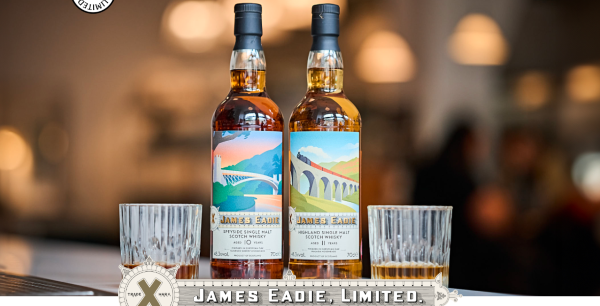
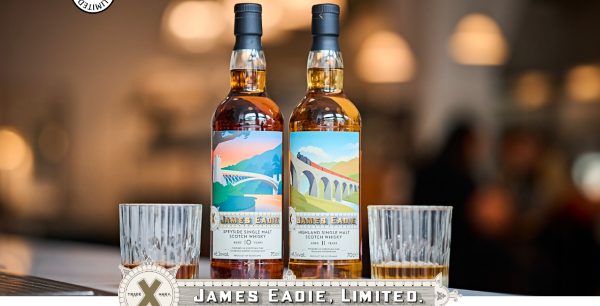
Rupert Patrick, the founder and CEO of indy bottlers James Eadie and non-executive chairman of WhiskyInvestDirect, says: "The consumer has become far more picky, partly because disposable incomes are down. The sweet spot at the moment is £40 to £55. If you have the right proposition from £55 to £70, you'll do okay, but it's bloody hard compared to what it was. About two years ago, we anticipated what was coming, and managed to align our stock accordingly so we could continue to deliver what we think is very good value for money."
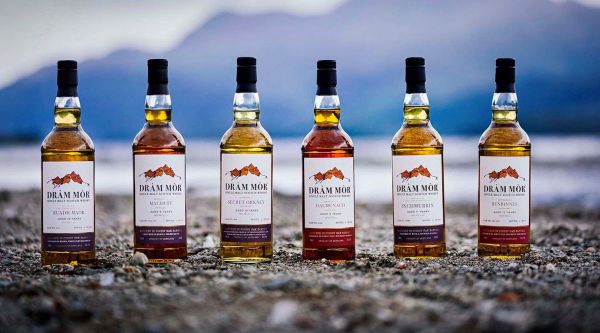
Kenny Macdonald, who co-founded Dumbarton-based Dràm Mòr Group with his wife Viktorija in 2019, does not view the current squeeze in retail prices as a massive threat. He suggests the "big boys" such as Diageo, Pernod Ricard, Brown Forman, Bacardi, who are more reliant on "entry-level products," are feeling more pain.
As their sales have declined, Macdonald says these large groups have been forced to loosen their tight grip on their own products (casks of single malt - bulk whisky). "So, we can now buy a parcel [selection of casks] of Clynelish, which previously wasn't available. The opening up of the market has given us more toys to play with." Among examples, he quotes an 11-year-old Laphroaig and an 18-year-old Highland Park.
He is grateful to the BBC and its investigative documentary: 'Hunting the Whisky Bandits' from March 2025 which helped restore some sanity to the secondary market by exposing charlatanism in the cask investment business. "We were desperate for someone to lance the boil. Getting casks on the open market had become nigh on impossible," he says.
David Stirk, founder of Stirk Consultants, says the downturn in global whisky sales and exports has "made distillers much more willing to trade directly with independents - something that hadn't really happened for three decades, with a few exceptions."
Alex Bruce says making whisky "obtainable and attainable" is now paramount for most indy bottlers, though he hopes the industry will refrain from slashing the price of old and rare whiskies. "As an industry, we need to have that aspirational pinnacle." Rather than discounting its old and rare stocks, Bruce says Adelphi is holding them "for when the sun comes back out."
He adds that despite the tough climate, Adelphi is "doing extremely well," having recently made inroads into new markets such as Vietnam, Malaysia and Thailand – sometimes piggybacking off the success of Ardnamurchan single malt. Not that it's in any sense plain sailing in his view, even for those with good stocks of relatively cheaply-acquired casks. A backdrop of rising duty rates, rising cost of materials and employment, and the UK government's "stealth tax" on packaging (Extended Producer Responsibility or EPR) is creating real pressure.
And while consumers are clearly benefiting, shelf space is tight. Stirk says the growth of the indy sector means "consumer choice has never been greater, and specialist retailers now have to take a very considered approach to what they stock. This leads to a 'rising to the top' of the best on offer - and obviously means a much more competitive market.
The "irrational exuberance" that fuelled the construction of scores of new whisky distilleries since 2012, has also been reflected in the indy bottling sector, with a surge in new start-ups causing it to become what Bruce calls "completely oversaturated".
Some of the younger players know what they are doing and are doing it extremely well, but "there are too many independent bottlers out there," says Macdonald. "Everybody thinks that all you have to do is put whisky in a bottle, stick your own label on it, and hurrah! It's really not that simple." He said too many novices entered indy bottling either "as a hobby" or "because they thought they could make a fast buck".
For Rupert Patrick: "It's going to be survival of the fittest. Yes, it's easier to buy stock, but sales of independent bottlings have suffered as a result of the squeeze - especially anything costing more than £55 a bottle. Not many independent bottlers are capable of doing £40 to £55 bottlings of eight to ten-year-old [whiskies], but that's what the market wants." Both he and Bruce warn of some newer indy bottling businesses going to wall.
Overall, the important role played by indy bottlers in the Scotch whisky ecosystem can get neglected. According to Bruce, there is a collegiate spirit among indy bottlers, an ethos of 'you scratch my back and I'll scratch yours' which "has helped the wider Scotch industry during these lean times. When better times return, I hope distillers won't forget what the independent bottlers did to help them."
Stirk says indy bottlers "are preaching Scotch on almost every continent, and collectively exciting the next cohort and generation of Scotch whisky drinkers. I think the biggest realisation and shift in attitude among the larger distillers has been an understanding of how much the indies benefit the industry. They are the biggest geeks, the most excitable fans, and the most well-trained ambassadors any industry could ask for. Their passion is infectious, and the followers they bring in are on a never-ending journey of discovery – the whole industry benefits from this."
Ian Fraser is a financial journalist, a former business editor of Sunday Times Scotland, and author of Shredded: Inside RBS The Bank That Broke Britain.