
Rebuilding Scotch from the Ground Up
After years of promoting the glamorous, luxury end of Scotch, distillers are starting to realise there's an economic squeeze going on. Standard, value-for-money blends are crucial to recruit new whisky drinkers and keep the category affordable and relevant reports Ian Fraser …
In the wake of the global downturn for Scotch whisky which began in 2023, it seems the industry is finally drawing breath. Senior people in the sector are recognising they will have to do more to ensure that easy-drinking, value-for-money blends are made accessible and appealing to younger drinkers – many of whom have probably yet to consider drinking Scotch.
"The biggest risk is that consumers drift away from the whisky category if it stops feeling relevant to them," warned Anne Martin, chief marketing officer of Warsaw-based Stock Spirits, owners of the comparatively cheap-and-cheerful Clan Campbell brand.
"Seduced by single malts, premiumisation and a world of luxury brands, many in the business closed their eyes to the value and strategic importance of both secondary and standard brands – even in Diageo with its range of secondaries and Johnnie Walker Red Label," says Nick Morgan, who spent 30 years at Diageo including in senior whisky marketing roles.
"It's a mindset thing. No marketeer wants to work on value or even standard brands – where is the fun or glamour in that? When did you last see a Diageo employee doing a social media post about Red Label, let alone a so-called whisky influencer?"
"It's important that brand owners don't lose sight of the meaning of the word 'value', and the importance of quality. Some of these secondary brands have been 'value'-engineered to a shadow of their former selves, yet consumers have the right to expect quality to be just as important in this segment as in others. It's part of the unwritten contract between brand and buyer."
Two years ago Whisky magazine editor Bethany Whymark predicted that blends were on the cusp of major comeback, while, in January, drinks writer Richard Godwin said: "Happily, a counter-trend is taking root, towards making Scotch fun and, dare I say it, affordable again."
Recent SWA export figures bear this out. In 2024, exports of bottled blends which represent 60% of the total by value, grew by 4.4% to reach £3.2bn, and then flatlined in 2025. Meanwhile, over the same two years, single malt exports slumped 17.2% by value in 2024, and tumbled a further 6% in 2025, to hit £1.6bn or 29% of global exports.
On 25 February, just weeks after taking the reins, Diageo's new CEO Sir Dave Lewis signalled that he believes it's time the drinks giant took value and standard blends more seriously again. At the half-year results, he put up a slide suggesting the group intends to refocus on cheaper, mass-market blended Scotch "to meet consumer needs."
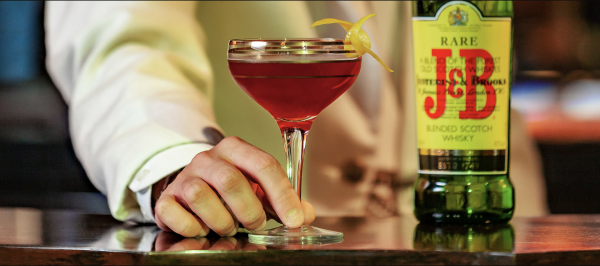
He praised Diageo's UAE-based team for its "significant repositioning of VAT 69, Black & White and J&B Rare against a more value-based opportunity." Lewis said the repositioning of Scotch brands in the since war-torn Gulf state is enabling Diageo to "reach and service the broader consumer universe." And while whisky margins are slightly down in UAE, he said, "the absolute quantum of gross profit is significantly higher".
It may seem counterintuitive, but the message was clear – a drink company can actually boost the bottom line by better serving the "standard" and "value" segment of the market especially during a cost-of-living crisis and when, in some regions and market segments, premiumisation has gone into reverse.
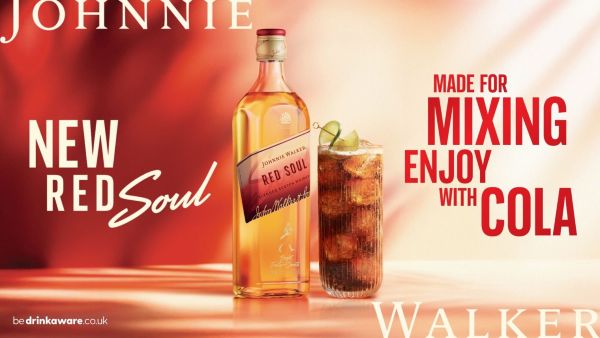
Diageo's is already looking at a similar sort of schtick elsewhere. In March it launched Johnnie Walker Red Soul – pitching the new, sweeter, and smoother version of Johnnie Walker firmly at non-whisky drinkers. In a release, Diageo said the product played into its "ambition to strengthen its portfolio at an entry-level price-point, the largest and fastest-growing market segment in global blended Scotch whisky (IWSR forecast to 2029). French trade title ForGeorges said: "This dual launch [Diageo relaunched Black & White at the same time] reveals a fundamental trend: the accessible blends segment is being revitalized."

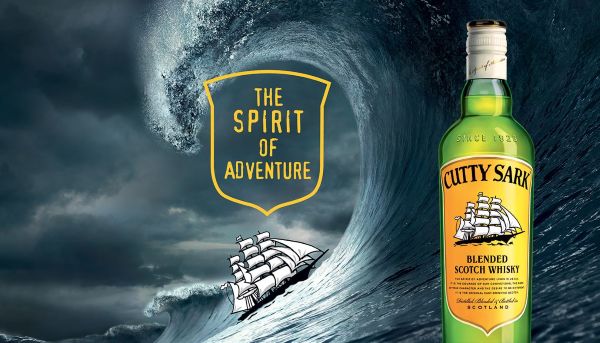
Some distillers continued to plug away at their standard and value-for-money blends even as the global market "premiumised" around their ears. Notable examples include Bacardi with the William Lawson's brand; La Martiniquaise with Sir Edward's and Label 5 (and possibly also Cutty Sark); and Marie Brizard Wines & Spirits with William Peel.
Sales of Sir Edward's jumped by 7.4% in 2024 ."We're hugely encouraged by these growth figures, which show our brand's increasing appeal," La Martiniquaise senior marketing manager Marion Divaret told Spirits Business. She said Sir Edward's had been strengthened by bus ads in Uruguay, a poster campaign in the Demographic Republic of Congo and by sponsoring a music festival in Latvia.
And according to Asia Business Daily, Suntory Global Spirits has been making impressive inroads into the South Korean market, by pitching Teacher's Highland Cream at a low unit price in South Korea. On the back of a local craze for highballs, social media virality, an appeal to millennials and Gen Z, an exclusive distribution deal with a highly engaged retail partner – Korean convenience store chain GS25 – as well as a price of just 9,900 Korean won (£4.96) a 70cl bottle, the Suntory-owned brand became country's top-selling Scotch within a few months of its December 2025 launch here. Kang Solbin, liquor team merchandiser at GS25, said: "In times of high inflation, customers are looking for reasonably priced alcoholic beverages with guaranteed quality."
"A balanced portfolio is what every Scotch business should have – from secondary (or value-for-money) brands through to super-premium. The demand for secondaries from price conscious consumers never goes away, and it's natural for some drinkers to trade down from standards and premiums when household budgets are under pressure," says Nick Morgan, author of Everything You Need to Know About Whisky and A Long Stride.
"It's not a small piece of business – brands like William Lawsons, Black & White, Bell's, Label 5 and Vat 69 easily clock up collectively more than 20 million cases, and continue to recruit new drinkers into the category all over the world."
Ian Fraser is a financial journalist, a former business editor of Sunday Times Scotland, and author of Shredded: Inside RBS The Bank That Broke Britain.